
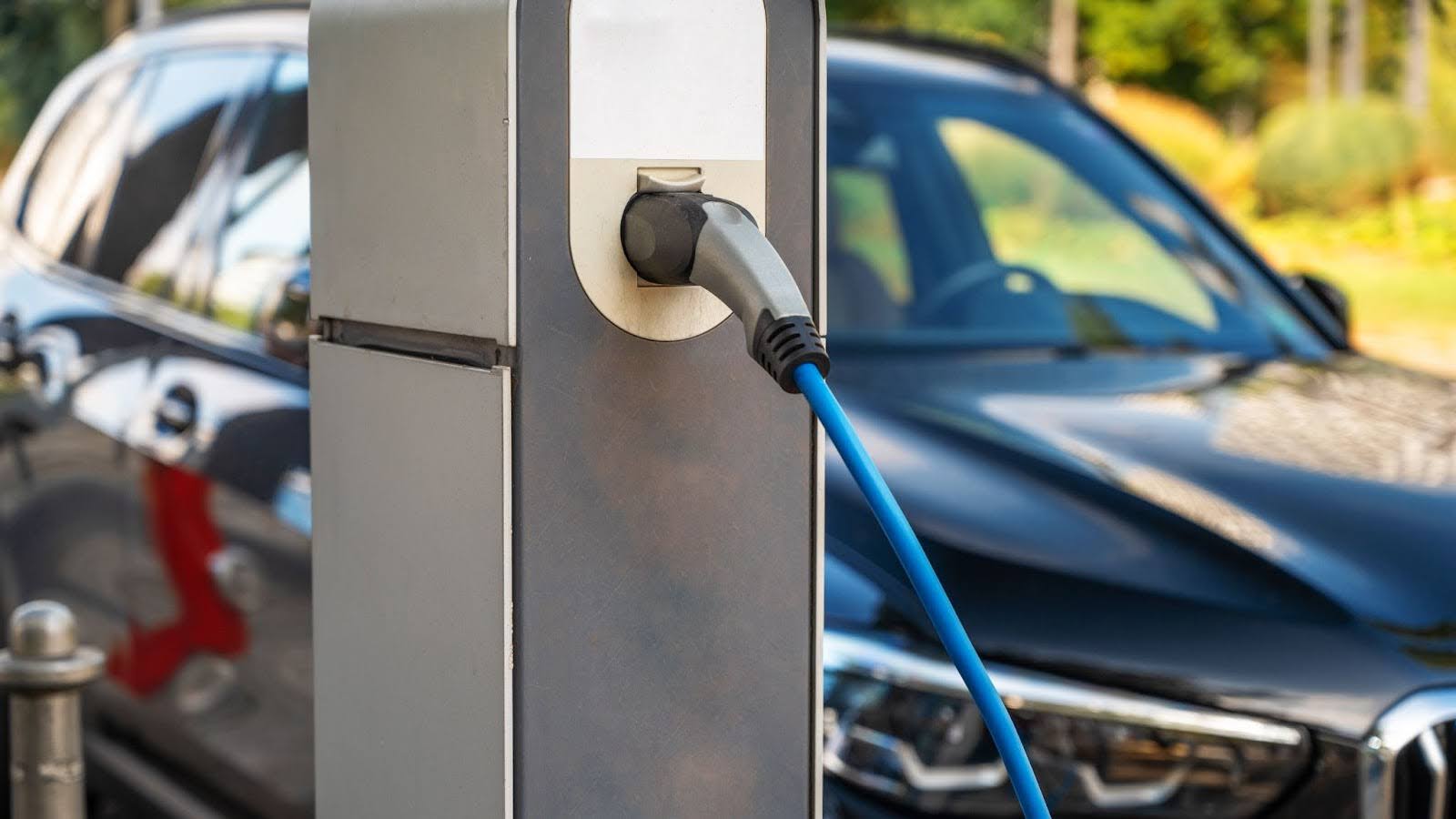
The strategic decisions that Ford, Nissan, Honda, and other major US automakers made in recent months to scale back their electric vehicle commitments are now being evaluated in the starkest possible terms. With US interest in electric vehicles surging 20 percent and gasoline at $3.90 per gallon following three weeks of the Iran conflict, the question of whether those decisions were strategically sound is no longer hypothetical. The crisis is offering a real-time preview of what the regret case looks like — and it is not a comfortable view.
The regret case begins with the demand signal. Iran’s closure of the Strait of Hormuz following US and Israeli military strikes disrupted the waterway through which roughly one-fifth of global oil supply flows, elevated crude prices, and pushed American retail fuel costs to their highest level in nearly three years. CarEdge’s 20 percent EV search surge represents genuine consumer demand that retreating manufacturers are not positioned to capture with the reduced EV lineups they now offer.
The used EV market is absorbing much of this demand — pre-owned Teslas, Chevy Equinox EVs, and Nissan Leafs at sub-$25,000 prices are the vehicles meeting newly motivated buyers. But used vehicle sales generate no revenue for manufacturers who are not producing the new vehicles that eventually become the used inventory. The retreating manufacturers are watching demand flow to competitors’ vehicles and to the used market they helped create through earlier investments they are now abandoning.
CarEdge’s Justin Fischer said the strategic regret will likely deepen if gas prices remain elevated for a significant period. The longer the current market conditions persist, the more visible the cost of having reduced EV capability becomes — in lost sales, in weakened brand positioning in the EV segment, and in the consumer relationships that are being built with competitors during a period of heightened EV interest.
Edmunds’ Jessica Caldwell offered the long-term framing that makes the regret case most significant. Automakers know EVs are the long-term direction, she said, but short-term profitability from gas vehicles has dominated planning. The volatile US policy environment makes long-term EV investment commitments risky. But the current market signal from the Iran conflict’s energy consequences may be making the risk of not investing in EVs look considerably larger than the risk of investing.