
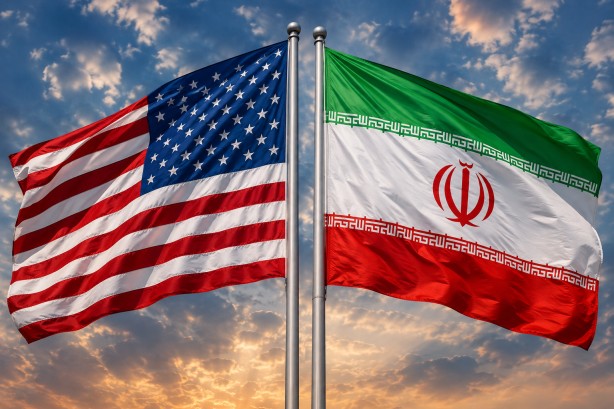
The United States has intensified military actions against Iran by launching a second round of airstrikes, targeting multiple sites across the country. This decision came after President Donald Trump announced the end of an interim agreement aimed at easing tensions between Washington and Tehran. The US military confirmed that the strikes were focused on neutralizing locations linked to Iran’s ability to threaten maritime security in the crucial Strait of Hormuz.
Iranian media reported explosions in key areas such as Bandar Abbas, Sirik, and Bushehr province. The escalation follows an earlier incident where three commercial vessels navigating the Strait of Hormuz were attacked, which significantly heightened the already strained relations. In retaliation, the United States rescinded a temporary sanctions waiver previously allowing Iran to export oil. President Trump emphasized that the airstrikes were a direct response to the aggression against commercial shipping and warned of a more robust response should Iran pursue further hostile actions.
In a counter-move, Iran launched missiles and drones targeting US military installations in the Gulf region, including sites in Bahrain and Kuwait. Kuwait’s military reported successfully intercepting these aerial threats, and although no substantial damage was immediately reported, the situation remains tense. Iranian officials have reassured that the strikes in Bushehr province did not impact their nuclear power plant and have stated their determination not to capitulate under military pressure.
The resurgence of hostilities between the US and Iran has sparked concerns over global energy supplies, as the Strait of Hormuz is a vital corridor for international oil shipments. Market reactions were swift, with oil prices experiencing a notable surge due to the instability surrounding this strategic maritime passage. Both nations remain on high alert, with the international community closely monitoring the developments as they unfold.