
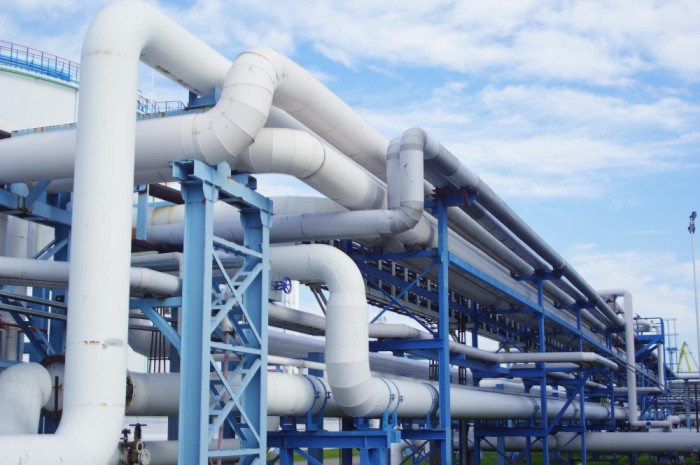
The United Arab Emirates has revealed plans to complete a new oil pipeline by next year, bypassing the strategic Strait of Hormuz to safeguard its crude exports from potential disruptions. This announcement comes amid a prolonged blockade of the crucial waterway, which has been ongoing for nearly 11 weeks, leading to increased energy prices globally and impacting Gulf economies. Prior to the conflict with Iran, the strait was a conduit for 20% of global oil and seaborne gas shipments.
In a strategic move to ensure continuity in oil exports, Abu Dhabi’s crown prince, Sheikh Khaled bin Mohamed bin Zayed Al Nahyan, has instructed the UAE state oil company to expedite the construction of this previously unannounced pipeline project. The new route will transport oil from the emirates to the port of Fujairah by 2027, effectively doubling the UAE’s current export capacity via the existing Habshan-Fujairah pipeline, which currently handles up to 1.8 million barrels per day to the Gulf of Oman.
This development is significant as the UAE and Saudi Arabia are the only Gulf countries with existing pipeline infrastructure that allows crude exports to bypass the Strait of Hormuz, a narrow passage between Iranian and Omani territories. The UAE’s decision to fast-track this second pipeline project follows its recent departure from OPEC after six decades, highlighting a growing rift with Saudi Arabia, the de facto leader of the cartel. The UAE’s exit was seen as a step toward gaining the freedom to increase oil production beyond OPEC’s potential future quotas once the conflict ceases and normal shipping through the strait resumes.
The construction of the new pipeline is a clear indication of the UAE’s intent to enhance its oil export capabilities, irrespective of the ongoing geopolitical tensions or the eventual outcomes of any peace negotiations that might not fully restore the pre-crisis flow of tankers. While the exact capacity of the new pipeline remains undisclosed, doubling the current capacity to 3.6 million barrels per day would bring UAE’s pipeline export capacity closer to that of Saudi Arabia. Currently, Saudi Arabia can transport approximately 7 million barrels per day from its eastern oilfields to the Red Sea port of Yanbu, with 5 million barrels allocated for export.
The UAE’s strategic pivot underscores long-standing tensions with Riyadh, as Saudi Arabia traditionally supports stringent production quotas to maintain high oil prices in line with its economic policies. The UAE’s decision to enhance its pipeline capacity reflects its ambition to secure a stronger position in the global oil market, regardless of the ongoing regional unrest.